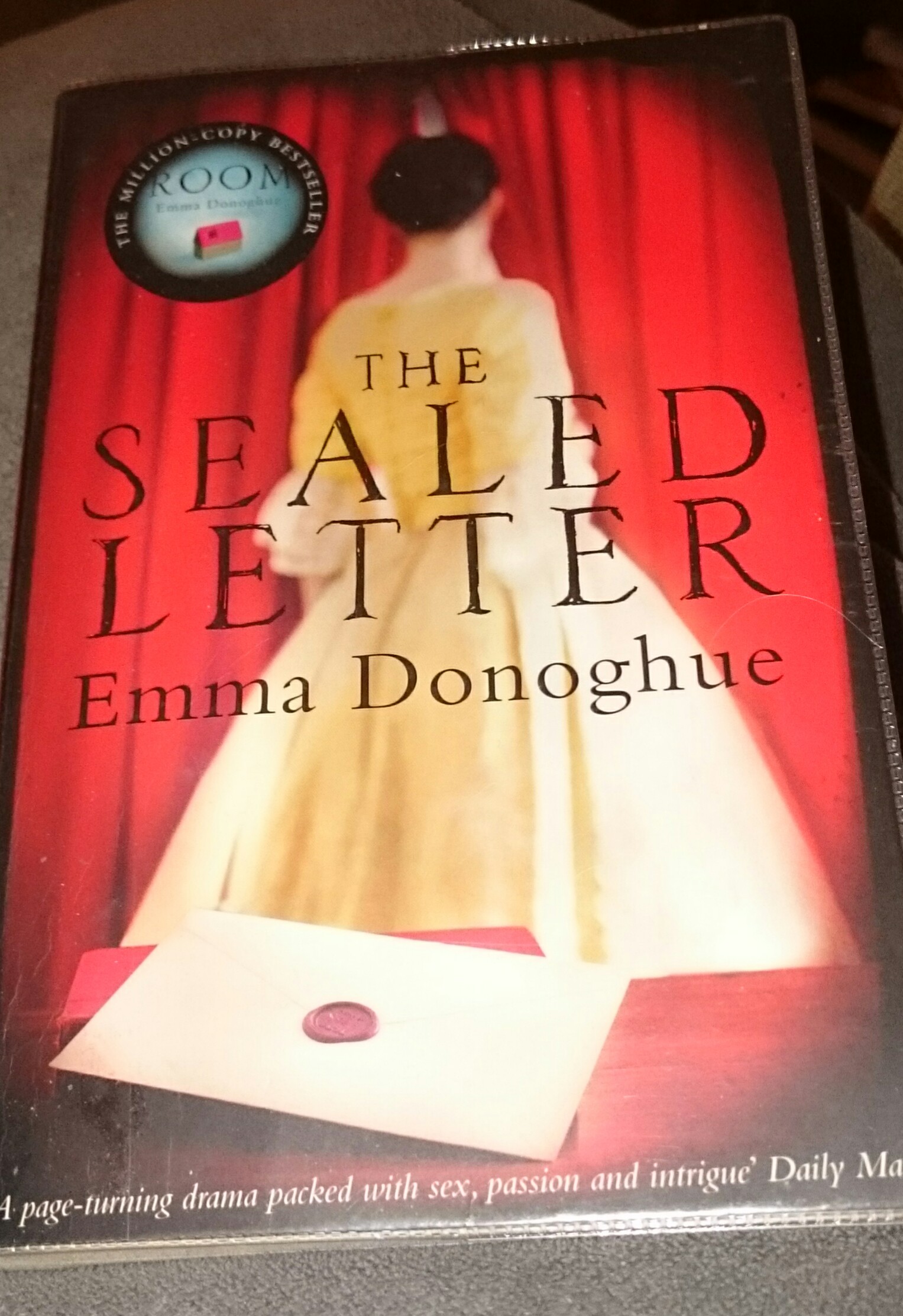
Reading Challenge #32- The Sealed Letter

I’ve struggled quite a bit with writing this review as I’m not really sure what to say. I had high expectations of it as I absolutely loved Room, by the same author. However, whilst this was a good story and well written, I found I just didn’t really care about the characters and what happened to them!

The novel is set in the nineteenth century (probably another reason why I didn’t like it, as I only really like books set in the century they were written) and is actually based on a real life scandal. The main character, Fido, is caught up in a scandal involving an old friend, her husband and a number of extra man friends, if you get m’drift. As a good friend, Fido tries to help, but things are not all they seem and that’s all I’ll say… Where Fido is plain, intelligent and career-minded, her friend (Helen) is beautiful, passionate and fanciful. Their friendship is quite intriguing because of its unlikeliness and there is plenty of drama with secrets hidden and uncovered. 

One reason I didn’t enjoy the book so much was because it’s quite predictable. I could see quite a lot of the twists and turns coming, which makes them lose some punch. Furthermore, it’s a very long book, but it is easy to read so didn’t take me too long. As it’s such a long book, there isn’t really a quote I can pick out as a favourite.

So I apologise for the lack of depth in this review! If you like books set in Victorian England with drama, intrigue and the occasional bit of sauce, you may like this one. However, I would not recommend this book to just anyone.

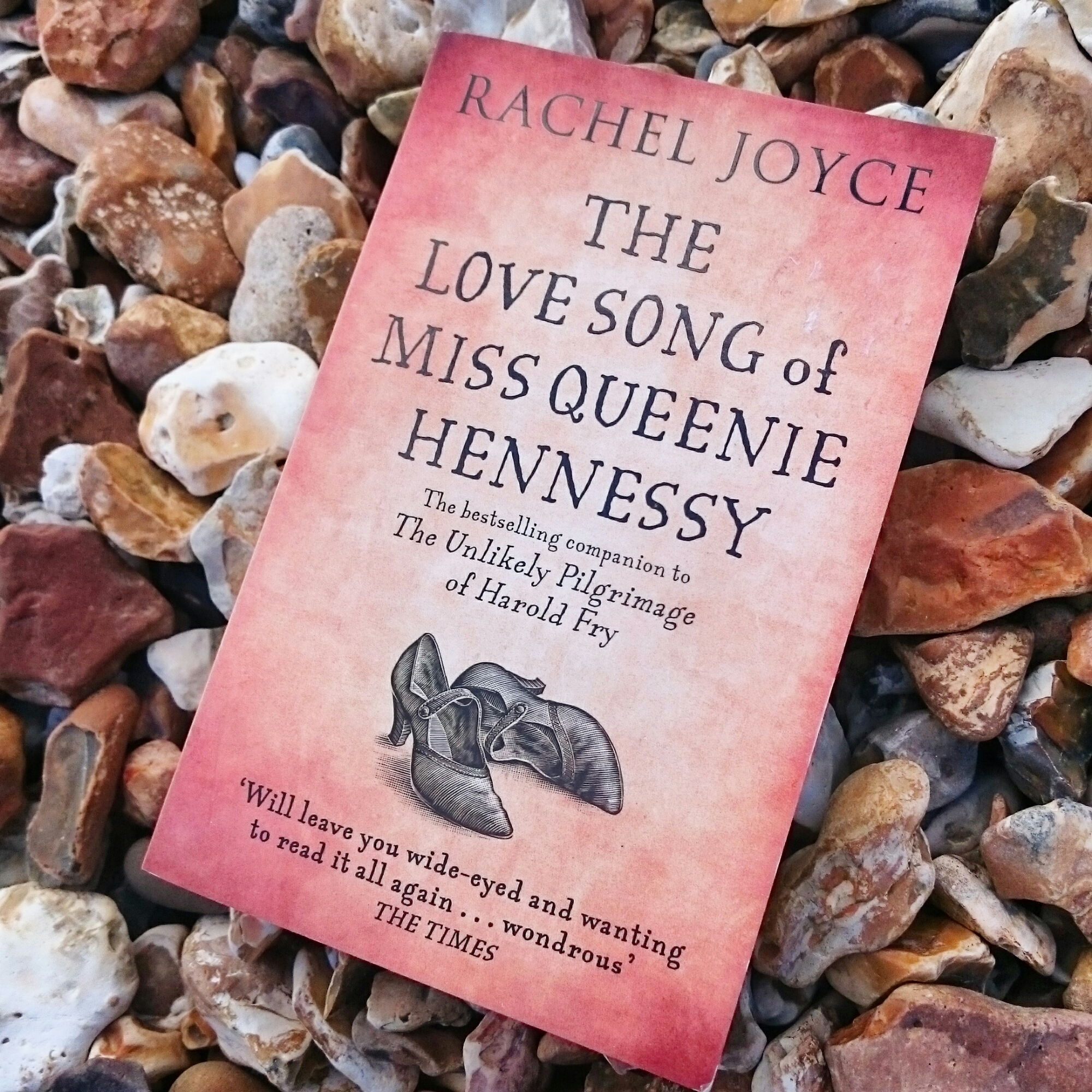
Reading challenge #31- The Love Song of Miss Queenie Hennessy

I truly did not want this book to end. If you have read The Pilgrimage of Harold Fry, you will be familiar with Queenie. This book sits as a companion to The Pilgrimage, so whilst it’s not essential to read the latter first, you will probably get more out of it if you do.

Queenie is in a hospice in the last months of her life and she writes a letter to Harold Fry, who she hasn’t seen for 20 years. Harold then decides to walk the length of England to see her before she dies. So he asks her to “wait for him”. You may think that since the novel is set in a hospice, it would be horribly sad and dark. Some parts are, of course, heartbreaking. But the other characters in the hospice, the patients and the nuns, are so wonderfully full of life that you can’t help fall in love with them. They provide humour and offer a glimpse into what it’s like to live knowing you’re soon going to die. 

The book is largely written as one long letter, from Queenie to Harold, telling the story of how they met and how she became involved in his life in a way he had never known. She writes it, with the help of a nun, whilst waiting for Harold to reach her.

It is a story of two very ordinary people and the space between them. It is about unrequited, secret love, the glorious ordinariness of life, the friends we make along the way and, finally, the end of life. The book is written in a beautiful, moving, delightful way with snippets of comedy alongside the occasional heartache. 

One of my favourite quotes from the book is the following: “It is a hard thing, as I said, this learning to love. But it is an even harder thing, I think, to learn to be ordinary.”

I would highly recommend this book to anyone, and also The Pilgrimage of Harold Fry. 

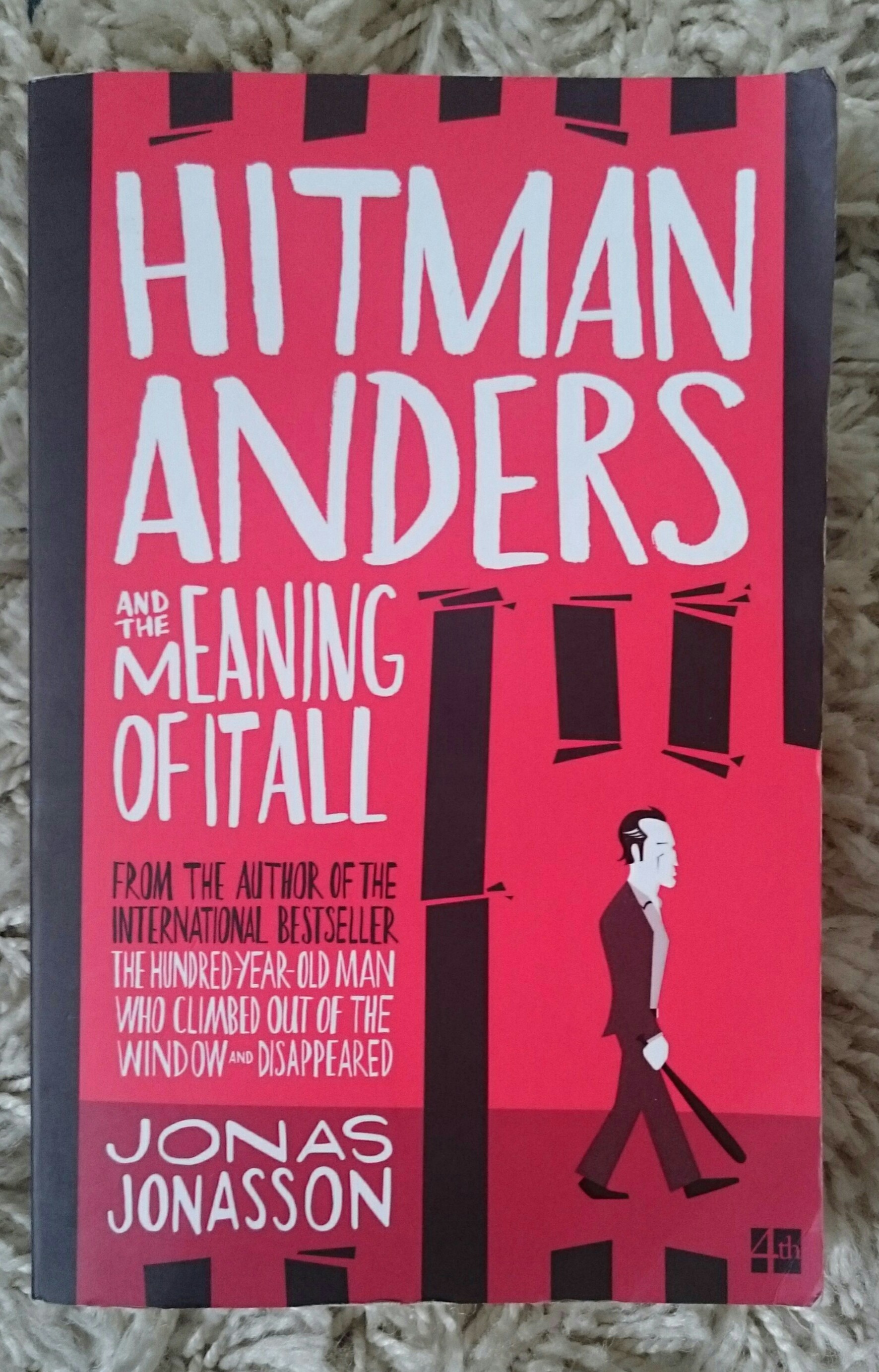
Reading challenge #30- Hitman Anders and the Meaning of it All

If you’ve read Jonas Jonasson’s (great name) other novels, like The Hundred-year-old Man who Climbed out of the Window and Disappeared, you will love this. It’s quirky, funny, surprising and a great story. A hitman finds Jesus and decides to not kill people anymore. Which enrages the Stockholm underworld. Of course, hilarity ensues.

The priest, Per Persson (again, great name) and Hitman Anders are brilliant characters and the twists and turns off the plot make it a real page-turner. It’s a wonderfully weird book and I really enjoyed reading it.

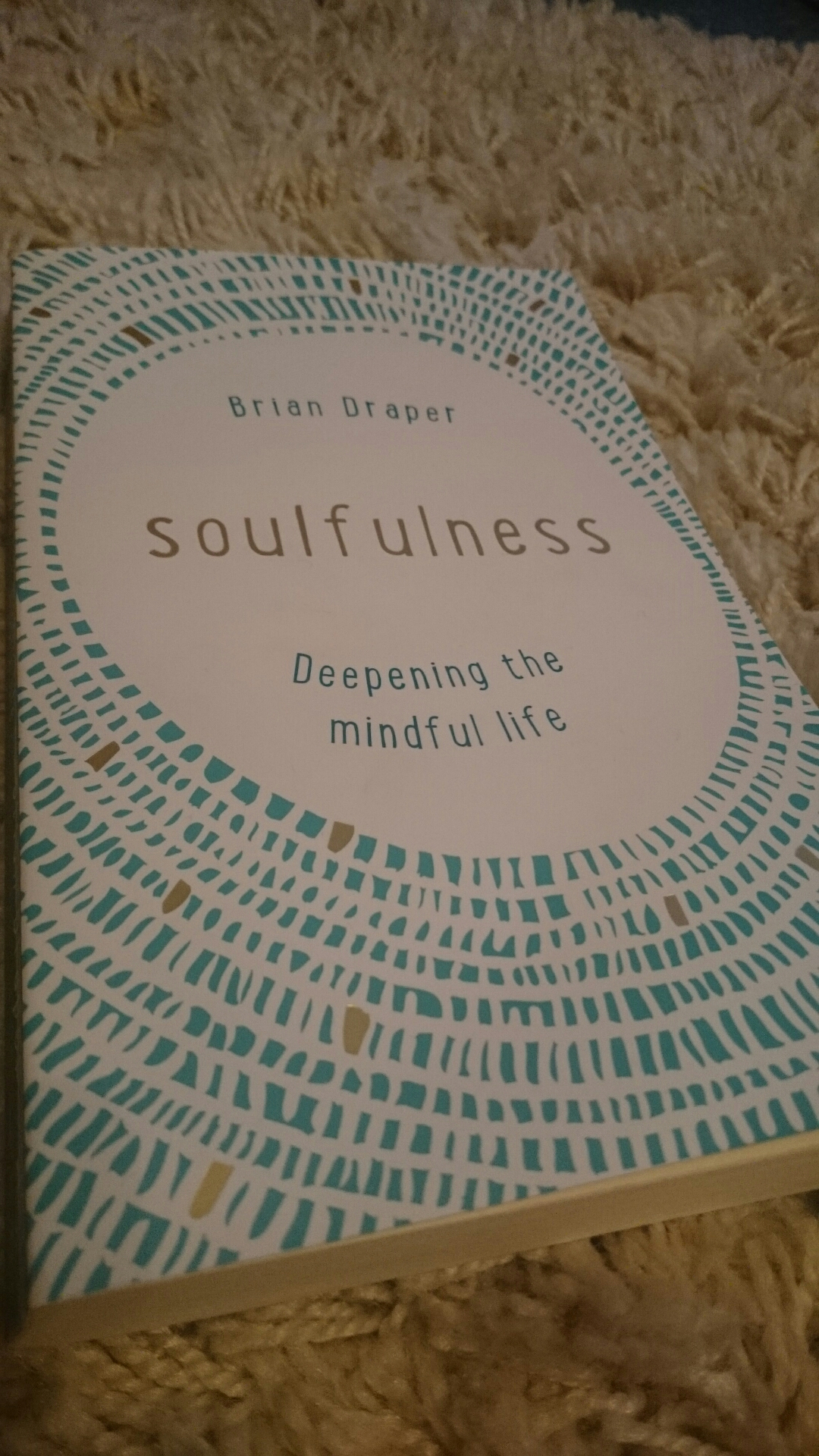
Reading Challenge #29- Soulfulness

Mindfulness has been around for centuries in different capacities but has recently become very popular in our world. Whether it’s colouring books, yoga, meditating or a mindful app, the importance, and benefits, of being mindful have burst into our lives and it’s been hard to avoid. Not that I’ve tried to, I have a mindfulness colouring book myself and I love it, I find it very absorbing. 

In an era where people are finally talking about mental health and the importance of looking after your mental health, mindfulness has been suggested many times as a way to alleviate stress and anxiety and become more present. Obviously, it has worked for many people and there is now a massive industry behind it. However, in this book, Brian Draper goes deeper. 

By using various mindfulness techniques, Brian encourages you to connect with your soul, reach out lovingly with your soul and live with soul. It’s not a purely “Christian” book, but Brian includes his own personal faith, occasionally including scripture and prayer. Therefore, it’s accessible for people with a faith or none, though sometimes, as someone with a faith, I wanted more Bible, Holy Spirit etc.

Putting that aside, this is a very practical book which even has a chapter at the end listing all the exercises and advice mentioned throughout the book (so you don’t have to flick back through to find something again). The”mindfulness” trend has largely been about de-stressing and reducing anxiety, but Soulfulness looks outwards to our relationships with others and the world. The exercises are not just to become less stressed and more centred, but more loving, more open, more considerate, more hospitable, more gracious, more forgiving, ultimately more Christ-like. There are obviously many ways to do this, but these practical exercises do help something in your mind shift and we are called to “be transformed by the renewing of (our) minds” (Romans 12:2).

As someone who’s been exploring soul care and mindfulness since coming close to burnout a few years ago, I found this a really helpful addition to a limited collection of books on the matter. I’d like to read it again to further embed the suggested practices. If you are someone who’s been interested by the emergence of mindfulness and have wondered how to engage with it from a Christian perspective (like me), this is ideal. Or if you’re not a Christian but still fancy going deeper with mindfulness, you’d enjoy it too. I’d recommend it 😊.

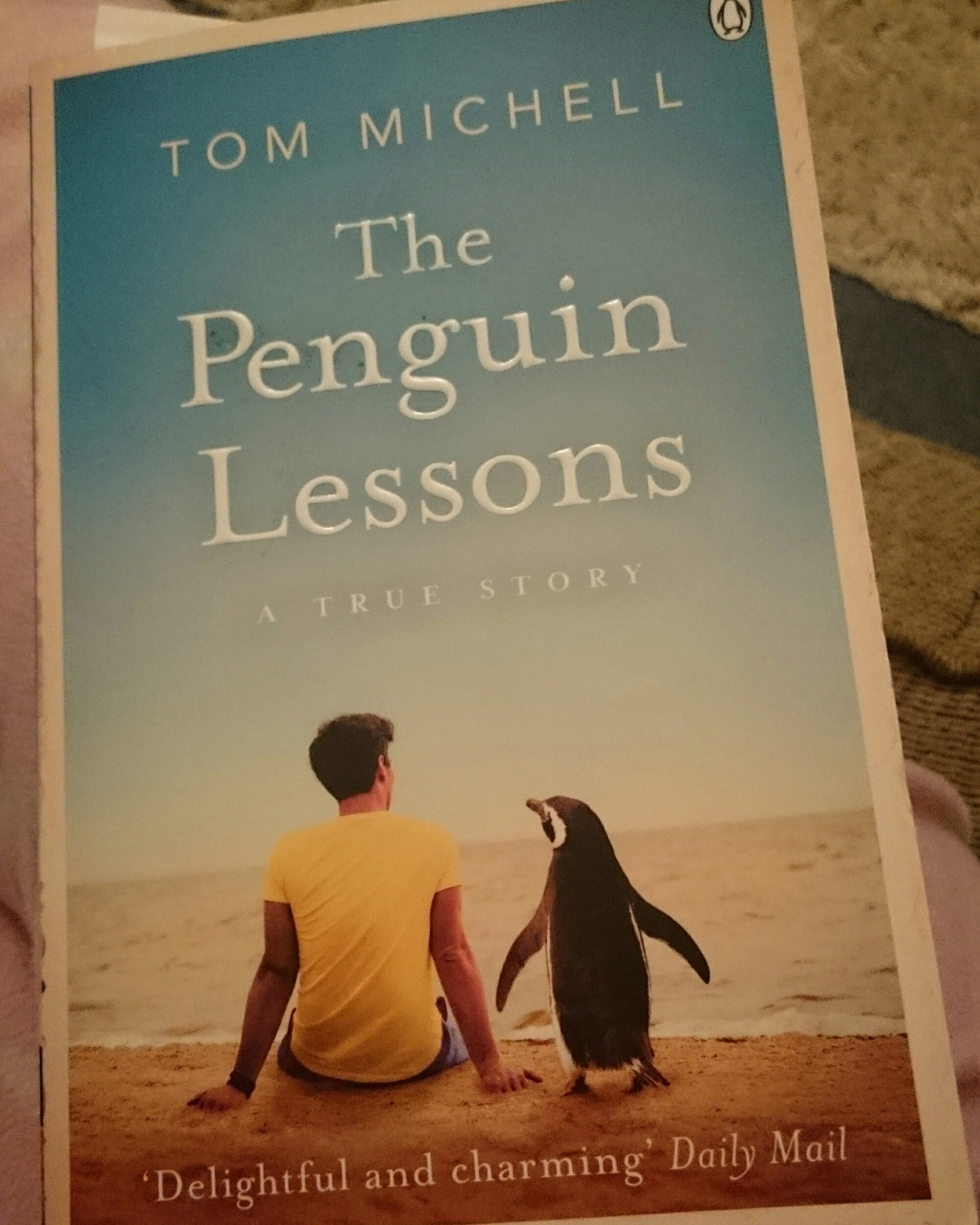
Reading Challenge #28- The Penguin Lessons

If you know me even just a little bit, you probably know I like penguins… Quite a lot. So Sam bought me this book and, obviously, I really enjoyed it!

The book is a true story and focuses on the rescue and rehabilitation of a penguin in Argentina. The author writes of his adventures in such a heartfelt, light way that your spirits can’t help being lifted. 

I recommend it as a light holiday read that will educate you and probably make you fall in love with, if not all penguins, at least this one. 

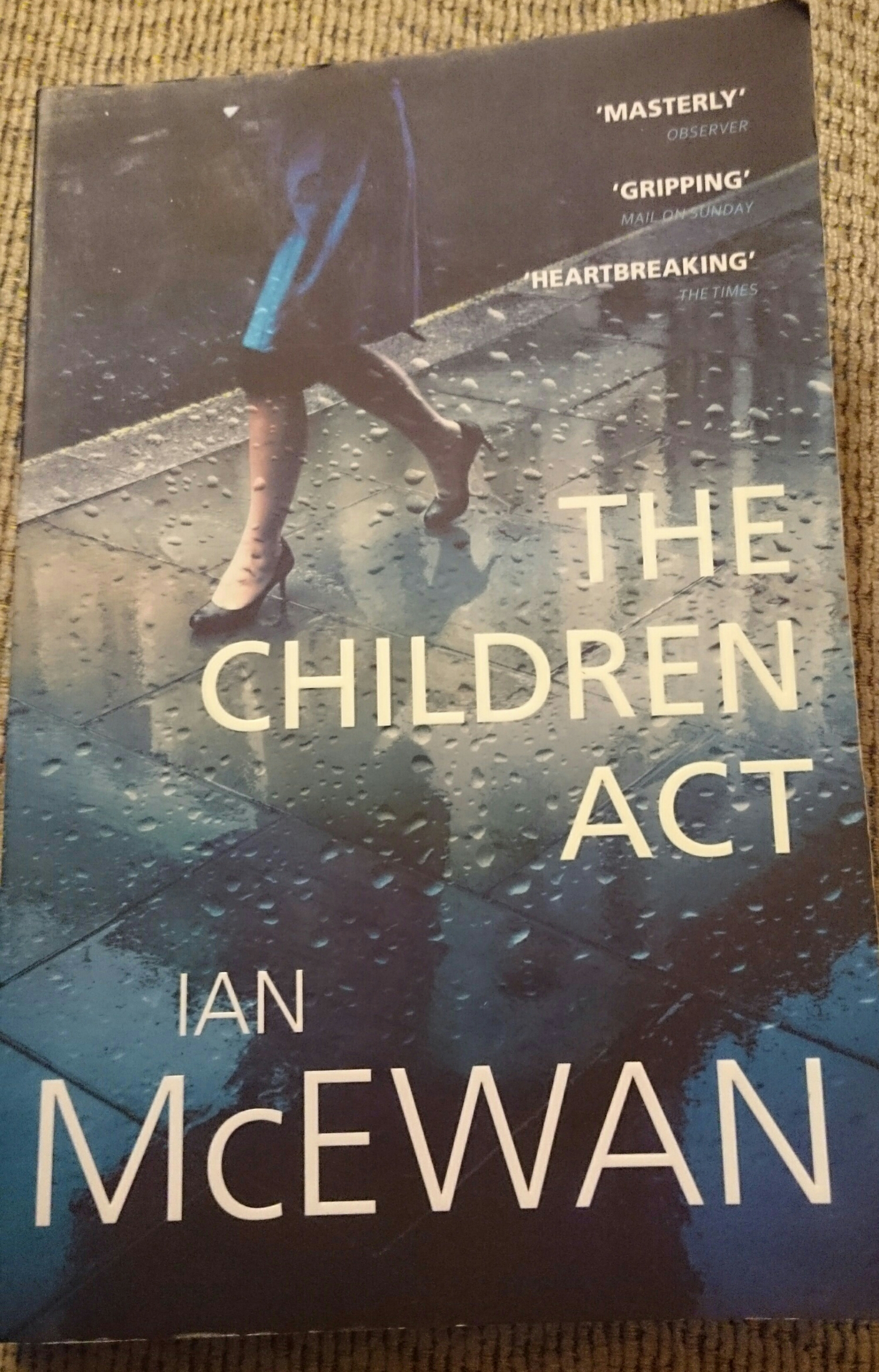
Reading Challenge #27- The Children Act

Ian McEwan is another author who just doesn’t get it wrong. Often his novels can be quite complex and use language that is difficult to understand but, whilst there were some words I had to look up, this book is very readable. 

It deals with the very difficult subjects of religion and law and the relationship between the two. The protagonist, Fiona, is a High Court judge and a case is brought before her of a seventeen year old boy who needs a blood transfusion, or he will die. However, the boy and his parents are Jehovah Witnesses so are refusing the transfusion on religious grounds.

The novel is sensitive, intelligent, unpredictable and moving. As is typical of McEwan, the book is incredibly well researched so you really feel like you are getting an insight into the exclusive world of a High Court judge. However, it is not overloaded with legal jargon, it is very humane and at times heartbreaking. My sympathies swayed from side to side, which surprised me. I thoroughly enjoyed it and highly recommend it, though be prepared, it’s not a light read.

Rejoice. Always.

A thought occurred to me recently. Life is what you make it. Yes it’s a cliché, and yes, life is also a lot more than that. But, the point stands.

One of my biggest flaws is that I’m a complainer. This was driven home to me  recently when I was chatting with my brother about my new job and I said “It sucks”. He looked at me with an eyebrow raised and said, “What sucks about this one?” Ouch. Yet thinking back, I have always found something to complain about. It’s true that I’ve never found a job that ticks all the boxes, but I’ve had a few really fun jobs and worked with some wonderful people. For one job, I got to hang out at the park in the middle of the day, for crying out loud!

My main complaint about my current role was I wasn’t making any friends. Yet there are a number of older women who have been so warm and friendly to me, watching out for me. But I’ve instead focussed on the lack of my peers showing me any attention, basically.

I need a head adjustment. A shaking up. A slap around the face, probably. There’s no point complaining about things, wallowing and expecting other people to do all the work. Yes, it will probably mean me stepping massively out of my comfort zone but if we never did that, we’d never get anything done.

Through wallowing in how miserable I’ve felt, I think I’ve lost my pursuit of joy. If anything, I’ve been denying myself joy by comparing where I’m at and what I have to other people. (Social media is a blessing and a curse). Comparison is indeed the thief of joy. Sometimes you need to make things work for you. And that  may require a lot of work and effort.

My Bible reading at the weekend was the following passage:

Rejoice in the Lord always. I will say it again: rejoice! Let your gentleness be evident to all. The Lord is near. Do not be anxious about anything, but in every situation, by prayer and petition, with thanksgiving, present your requests to God. And the peace of God, which transcends all understanding, will guard your hearts and your minds in Christ Jesus. Finally, brothers and sisters, whatever is true, whatever is noble, whatever is right, whatever is pure, whatever is lovely, whatever is admirable – if anything is excellent or praiseworthy – think about such things.

Philippians 4:4‭-‬8

Need I say more? I believe whether you’re a Christian or not, you can take something from this passage.This is the path to joy. Gratitude. Thinking positively. Rejoicing in things, no matter how small. Celebration. If you believe in him, offering things up to God and saying “You take this”, and him saying “and you have this in return”. His peace. It’s not always easy. Some days when the sun is shining and the sky is blue, it will feel easy. Some days it will be a real effort. Some days, you will not have the mental strength. But, otherwise, try. I feel like I need these verses imprinted on the inside of my eyelids. How easy it is to forget all you have, especially when you’re peering over the fence and what your neighbour has.

But how WEALTHY we are. If you’re reading this, you’ve got some means of accessing the internet… and you can read. You probably have some idea where your next meal is coming from. You probably have a home you can rest in. You probably have a job, or you may be in school/university/college. You can probably turn the tap on and drink what it provides.

You’re in the minority.

Let’s be thankful for all we have. And let’s hold it all with open hands.

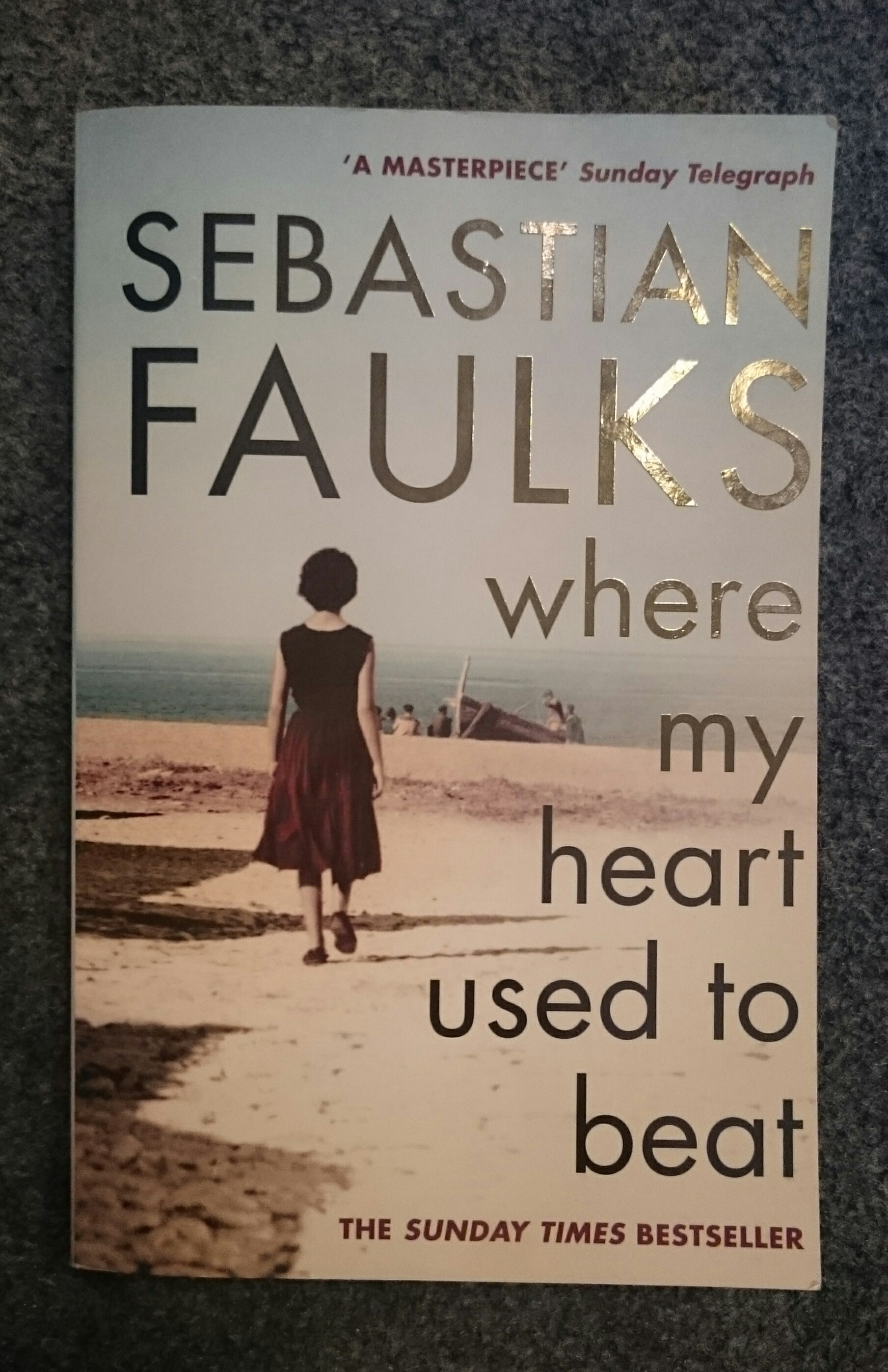
Reading Challenge #26: where my heart used to beat

As far as I’m aware, Sebastian Faulks can do no wrong. This is his latest novel and, if you have sometimes found his work a bit dense, it is short and very readable, while still possessing the gravitas Faulks is famous for.

Like all of his novels (I think), where my heart used to beat is focussed on war. However, it is more about memories of war as the protagonist (Robert Hendricks) revisits his experiences for the benefit of his very elderly host, a man who seems to know more about Hendricks than he does himself…. In recounting these experiences, Hendricks reawakens feelings, desires and fears that he had long ago buried.

A large part of the novel is also about psychiatry and mental health, which adds an intriguing layer to the war story and makes Hendricks more complex. Then there is of course a love story which is passionate and heart-warming.

This is an intelligent yet moving novel with enough twists and turns to keep you turning pages. The characters and their relationships are complex and well constructed so you find you care for them. I’d highly recommend it, especially to Faulks fans but also to anyone who has been put off from trying him before because of the length of, say, Birdsong. 

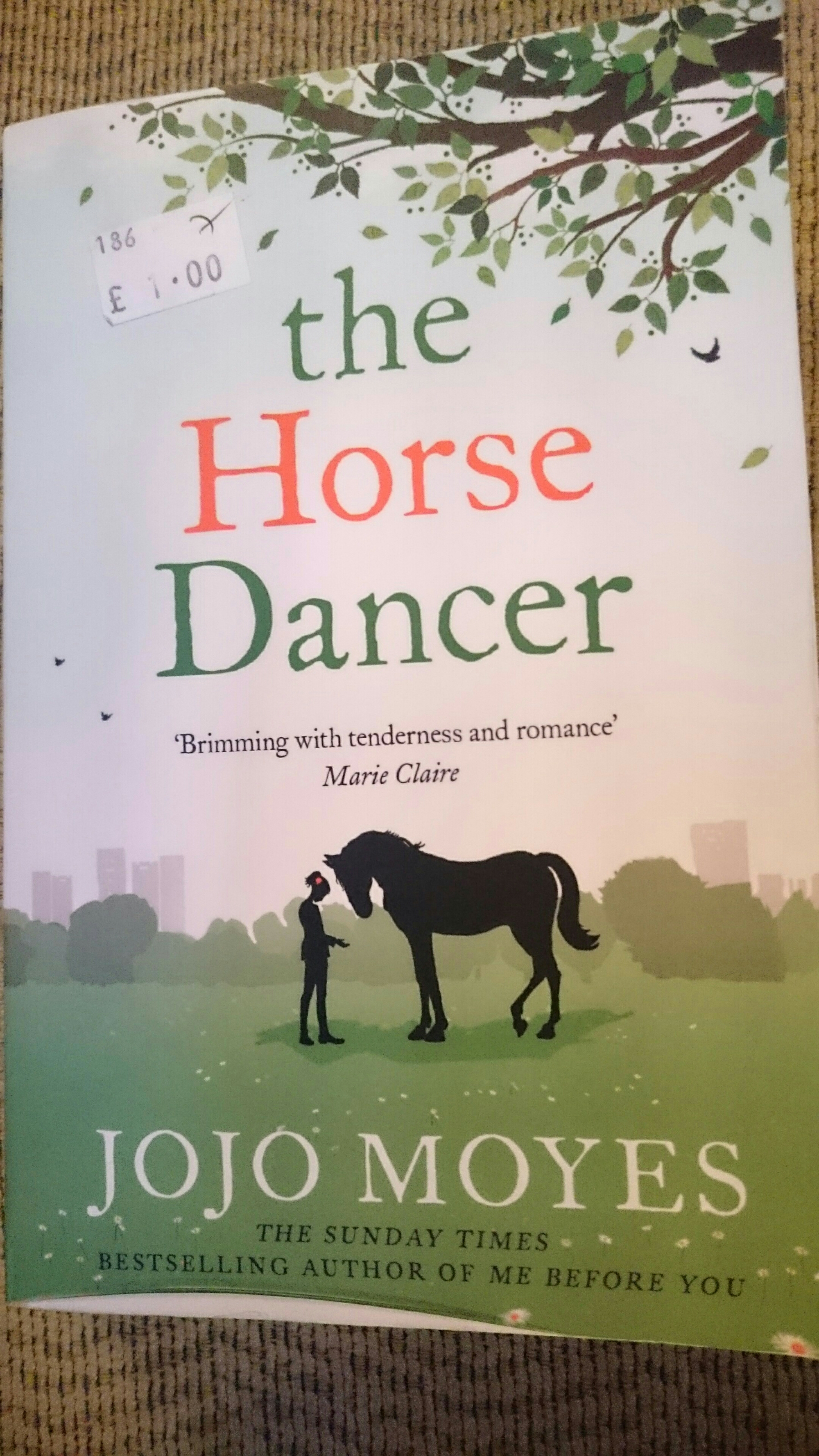
Reading Challenge #25- The Horse Dancer

Half way through! Both the year and the challenge, this book is my 25th 😀.

A lighter read, one by the incomparable Jojo Moyes. A story of redemption, love, marriage, divorce and horses.

I really enjoyed it. It is at times heart-warming, heart-breaking and heart-clenchingly tense! Don’t get the wrong idea, it isn’t going to win any awards, but Moyes is a masterful storyteller, one of my favourites. I devoted hours at a time to this book, something I haven’t done in a while.

Sarah, one of the protagonists, is a complex teenager with a complicated family life who finds solace in her horse-riding. Natasha and Mac are going through a bitter divorce and both are reluctant to be in each other’s lives.

How do their paths cross? You’ve got to read it to find out!

Reading Challenge #24- Out of Sorts

I stumbled across Sarah Bessey kind of by accident. I posted a quote of hers on Instagram, without knowing who she was, and a friend and fellow bibliophile expressed that she loved her writing. So I asked to borrow this book as its tagline is “Making Peace with an Evolving Faith”. Without going too much into it, the word “evolving” is definitely what I would use to describe my faith at the moment. I’ve been wrestling with a lot of questions, doubts and silence for a few years now. Many people would call this period “the wilderness”. So I was intrigued how Bessey would approach this rather vulnerable time in a person’s faith.

I was not disappointed. I found this book convicting yet forgiving, honest yet kind, moving yet funny. It was like a tall glass of water to this weary soul. To hear that it’s not just me and that actually this period can be birthing a new, stronger, deeper phase in my faith was so relieving to hear.Many times whilst reading this book it felt like I was reading my own words, it just “got” me.

Sarah Bessey is totally and utterly in love with Jesus, but she is so honest and open about her struggles with church and aspects of theology. She tackles Theology and Change in a chapter titled “Everyone Gets to Play”; she tackles reading the Bible and how it can speak to you and set your heart on fire again; she tackles the Church, the bits different denominations do well and not so well; she tackles community, friendship, the Holy Spirit, Heaven, grief and lament… This book is so rich and so deep, yet I read it in about 5 days (granted, I’m a fast ready). 
I’d highly recommend it to anyone else who feels like they’re in “the wilderness” at the moment, and any other Christians who are looking for a new Christian book to read. You may not enjoy the way she writes, as my friend said, she’s very poetic and personal. But I loved it and I’m looking forward to reading more of hers. A beautiful, life-giving, faith-restoring book.